







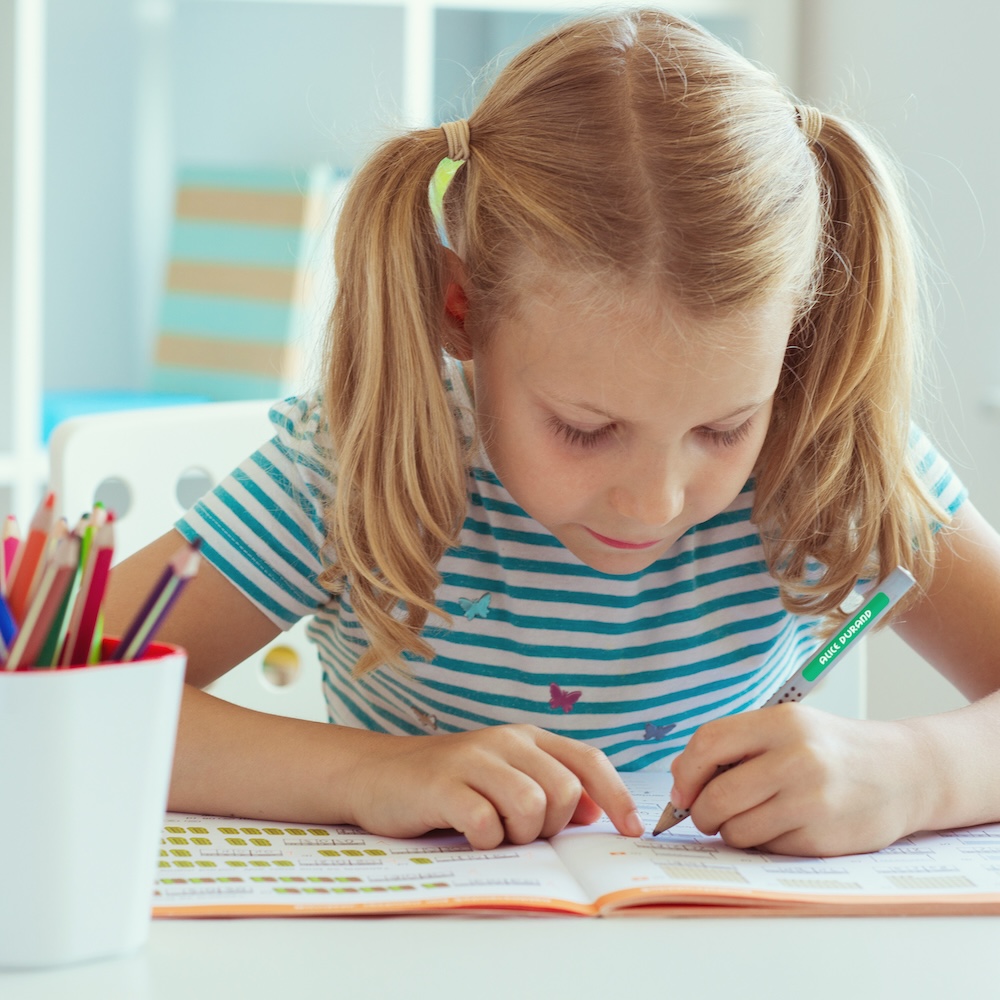
Stickerkid provides a non-exhaustive list of educational activities for young children to do at home. Cooking, educational apps, and even : these educational activities will help your children to unleash their creativity, become more independent, and develop a variety of skills outside of school.
These ideas for educational, fun, and creative activities for young children carried out outside of the school setting and compatible with the Montessori teachings, offer a different approach to learning and educational personal development at home. Enjoy your reading!
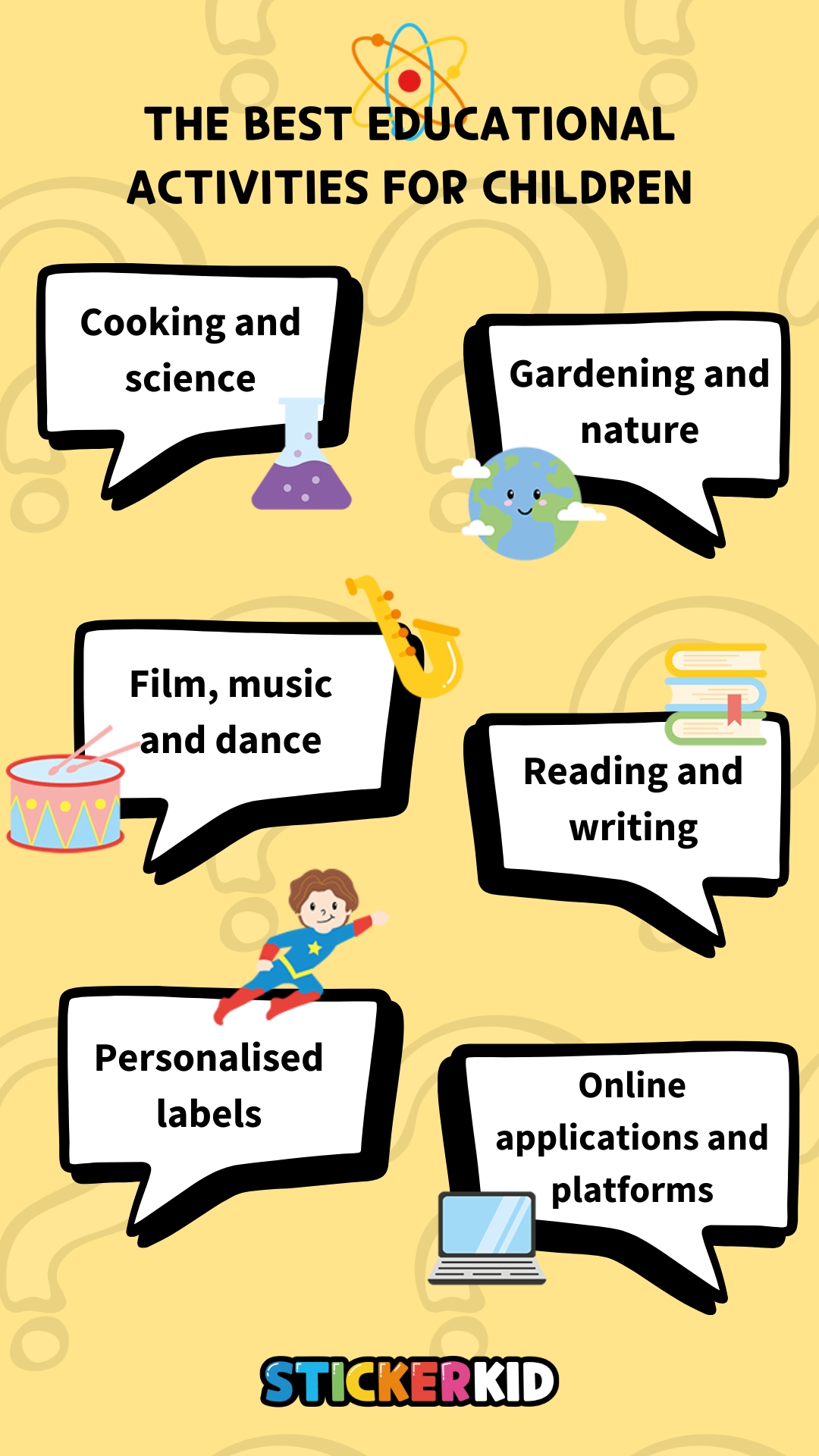
1. Cooking and Science Activities to Develop Knowledge
Cooking is an excellent way to learn and a great idea for an educational activity for children at home. Start with simple recipes for the little ones and then choose recipes that involve precise measurements or interesting chemical reactions (for example, baking powder in pastries or yeast in bread) if the children are older.
You can also carry out simple scientific experiments with everyday items. Mix elements, play with temperatures and consistencies, and teach your children the magical laws of science in a fun way. For example, you can create a volcanic eruption with baking soda and vinegar.
2. Educational Activities with Nature: A Way to Educate About Our Environment
Whether indoors or outdoors, you can create a miniature garden. Growing plants and flowers, observing small insects, or even cultivating vegetables and herbs: introduce your children to the beauty of nature by explaining the various observable phenomena in your miniature garden.
Still in the realm of nature, you can also use this miniature garden to teach your child about the relationship between humans and the planet. Explain in your own words how the climate, local fauna and flora work, and introduce themes of the environment: how to protect our planet, waste management, local consumption, waste reduction, etc.
3. Cinema, Music and Dance to Develop Creativity
Perfect for rainy afternoons or during the winter at home, cinema, music, and dance activities will primarily develop your children's creativity. Start with a home cinema project: help your children create a short film or an animation. They can write the script, create costumes, and film the scenes.
Two other educational activities for children that stimulate their creativity: music and dance. Organise a musical instrument session where they can learn some notes or a dance ball with different types of music to learn various styles and dance steps.
4. Educational Activities to Develop Reading and Writing Skills
Reading and writing are taught and practised outside of school too, and they are two skills to develop that will be very useful for your children's future. Prepare reading afternoons or sessions and involve your children to practise reading. You can also encourage them to write short stories, poems, or even plays. This way, you encourage them to use their imagination, stimulate their creative spirit, and develop their reading and writing abilities.
5. The Best Educational Apps for Home Learning for Kids
Online platforms, educational sheets, or educational apps, the digital world is full of solutions that encourage learning in children. While you can easily find websites, games, and sheets that allow your child to learn while having fun, we will focus here on educational apps that offer your children the opportunity to learn in a fun way.
You probably know Duolingo, a popular app for language learning. It also offers a special version for children to teach them the basics of languages and also to practise reading and writing.
Mr Arthur is another educational app for children that helps regulate the use of electronic devices and the internet for children through a fun and educational approach, complementary to the school curriculum.
For Switzerland, Edidact is an online platform that offers educational games and educational sheets for children's learning. It's an excellent way to learn and review the school curriculum in a fun and motivating way. The Edidact platform is adapted to each child's needs to provide support at home and help them become independent while having fun.
6. Personalised Labels for Teaching Children Autonomy
It may be surprising, but creating and using personalised labels in everyday life is also an educational activity for children. Indeed, these children's labels teach your little ones to be more independent and organised. They help responsibilise the child while having fun and add a personal touch to each item.
The self-adhesive name labels from Stickerkid make life easier for busy parents and prevent your little ones from losing, forgetting, or swapping their personal belongings. Everyone wins! Durable for the hectic life of your little adventurers, these personalised labels for children are easily placed on all objects and clothing to teach them to be organised, to raise awareness about tidiness, and above all, to take care of their personal belongings.
Each child's label can be stuck to a jacket, glasses case, or coloured pencils to encourage your children's independence, awareness of belongings and organisation. can also be placed on the heel of trainers, boots or slippers to help little ones tell the difference between left and right. Unique name tags that are fun to personalise according to children's preferences, but also educational!